Car battery by model
Choose your car to see the battery each engine takes: capacity (Ah), cold cranking (A), case size and technology, depending on whether it has Start-Stop. We are starting with 20 of the models most searched by number plate.
Check with your number plateWe show you only the batteries that fit your exact version.
Choose your model
Sorted by make. Each model shows all its generations with their battery and, for the most searched ones, the battery for every engine.
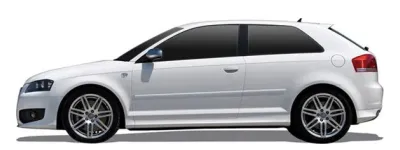
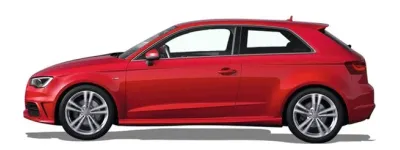
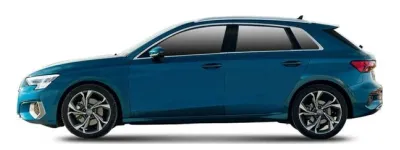
- AudiA34 generations · from 1996Most searched generation: 8P
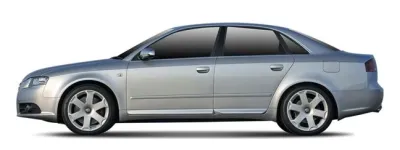
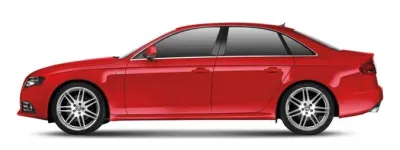
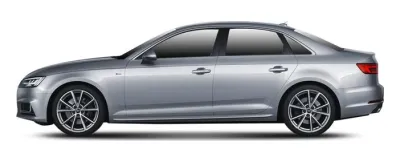
- AudiA45 generations · 1994-2020Most searched generation: B8 (8K)
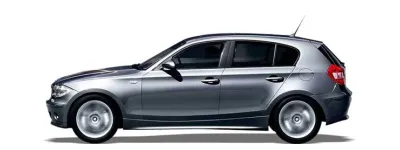
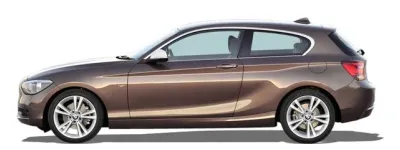
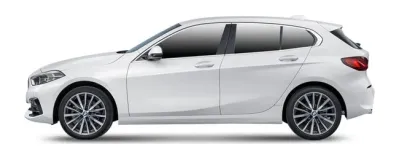
- BMW1 Series3 generations · from 2004Most searched generation: E81/E82/E87
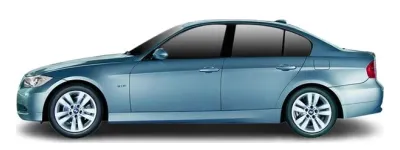
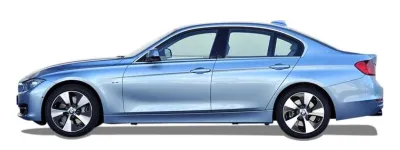
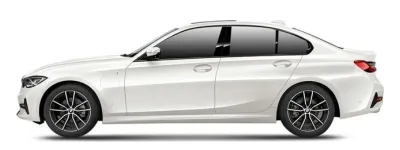
- BMW3 Series6 generations · from 1982Most searched generation: E46
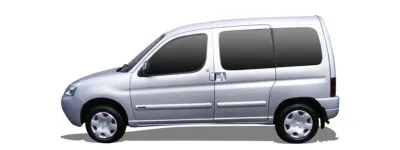
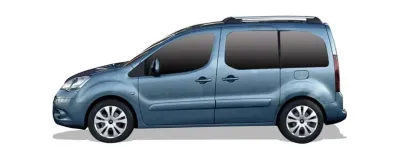
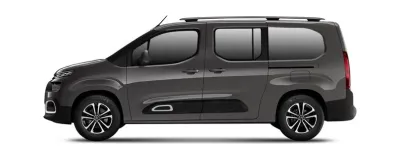
- CitroënBerlingo3 generations · from 1996Most searched generation: II
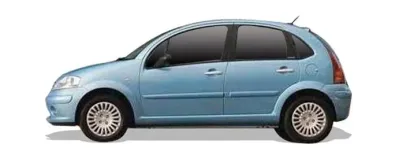
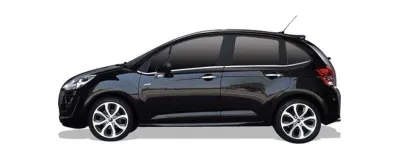
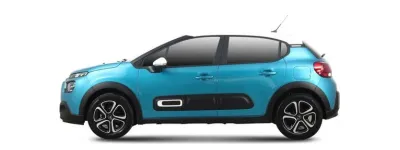
- CitroënC33 generations · from 2002Most searched generation: I
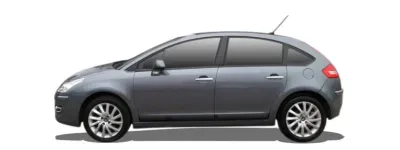
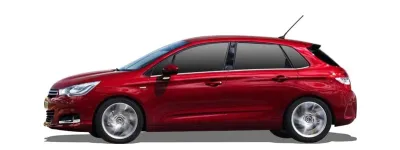
- CitroënC43 generations · from 2004Most searched generation: I
- FordFiesta5 generations · from 1989Most searched generation: Mk6
- FordFocus4 generations · from 1998Most searched generation: Mk2
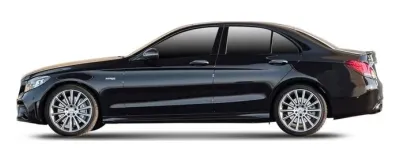
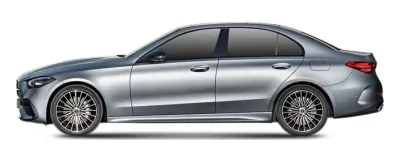
- MercedesC-Class5 generations · from 1993Most searched generation: W204
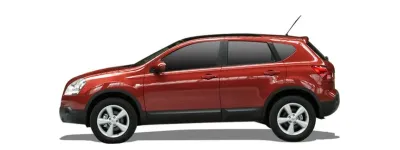
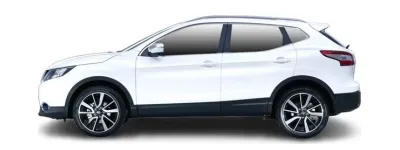
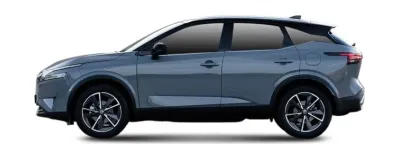
- NissanQashqai3 generations · from 2006Most searched generation: Mk2 (J11)
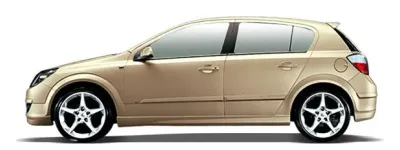
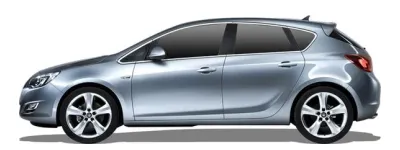
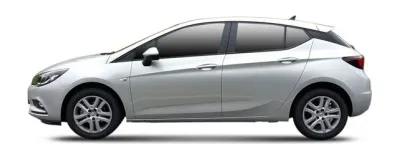
- OpelAstra6 generations · from 1991Most searched generation: H
- OpelCorsa6 generations · from 1982Most searched generation: D
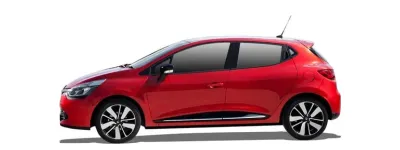
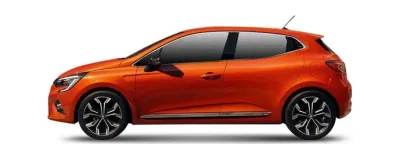
- RenaultClio5 generations · from 1990Most searched generation: IV
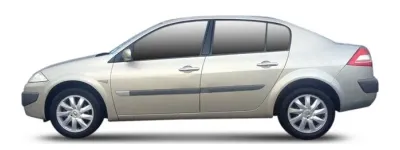
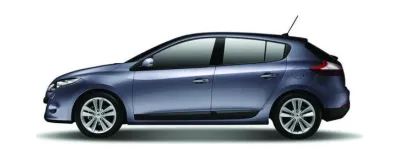
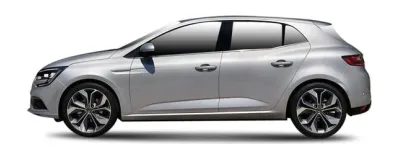
- RenaultMégane4 generations · from 1995Most searched generation: III
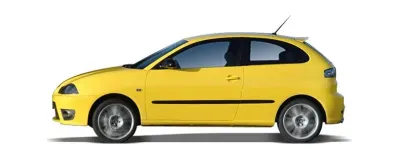
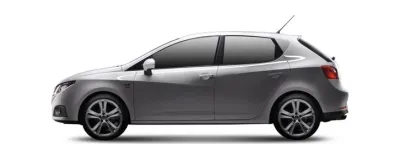
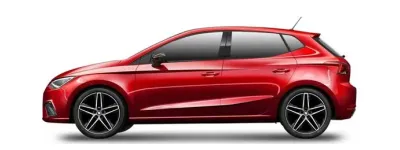
- SeatIbiza5 generations · from 1984Most searched generation: III (6L)
- SeatLeon4 generations · from 1999Most searched generation: III (5F)
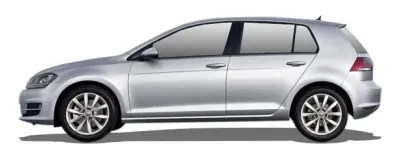
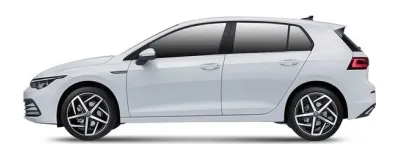
- VolkswagenGolf7 generations · from 1983Most searched generation: Mk7 (5G)
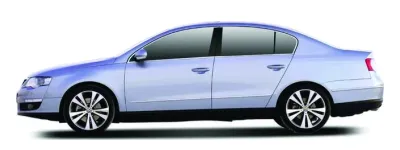
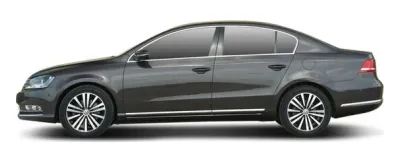
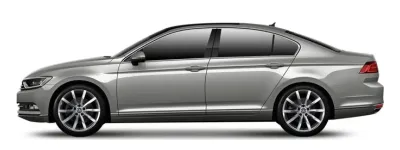
- VolkswagenPassat5 generations · from 1988Most searched generation: B6 (3C)
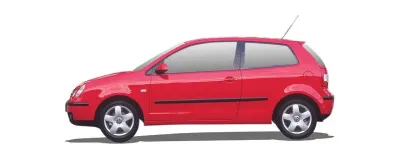
- VolkswagenPolo5 generations · from 1981Most searched generation: Mk4 (9N)
How we choose the battery for each engine
We start from the battery application data by engine (KType TecDoc) that our number plate search also uses, so the guide and the search always recommend the same thing. If an engine accepts more than one battery, it is because the battery changes with the version: with or without Start-Stop, or depending on the equipment. We never suggest a lower technology than the original: if the car has AGM, AGM; if it has EFB, EFB or AGM.
Frequently asked questions
How do I know which battery my car takes?
The most reliable way is to search by number plate or chassis number (VIN), which identifies the exact engine. If you do not have it to hand, choose your model in this guide and find your engine in the table.
What is the difference between an AGM, an EFB and a conventional battery?
A conventional (lead-acid) battery is for cars without Start-Stop. An EFB withstands more charge and discharge cycles and is fitted to many basic Start-Stop cars. AGM is the most cycle-resistant and is used in Start-Stop cars with regenerative braking and in cars with high electrical demand.
Can I fit a battery with more amps than the one in my car?
Yes, as long as it has the same case size, the positive terminal on the same side and the same or better technology. A few extra amp hours will not harm the car; lower cold cranking current (A), on the other hand, can cause problems in cold weather.
Updated: